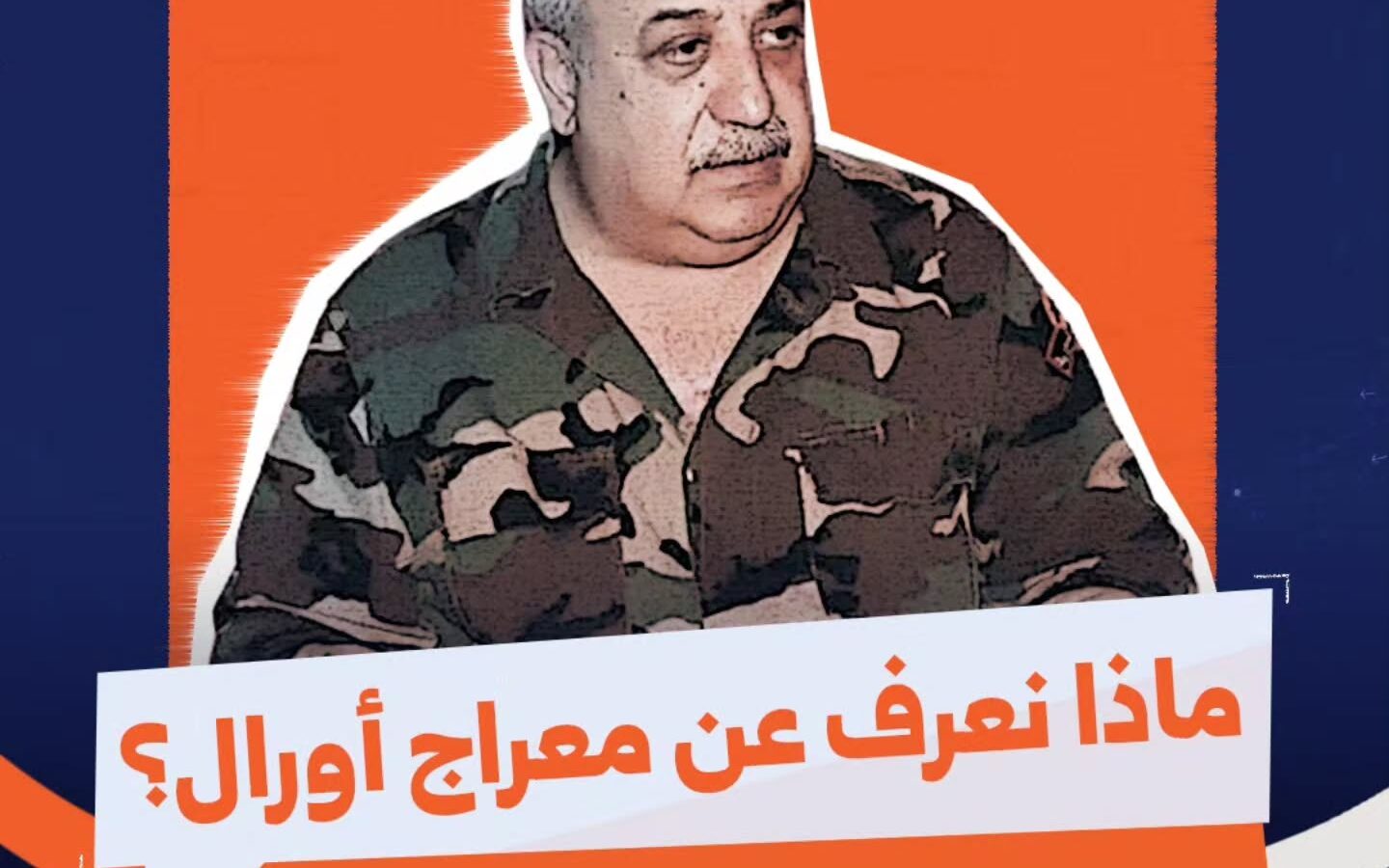
This profile traces the main stages in the life of Mihrac Ural, from his armed activity in Turkey in the 1970s to his leadership of what is known as the "Syrian Resistance", through the files his name has been linked to, notably the Reyhanli bombings and the al-Bayda and Banias massacres, up to the SANA news agency announcing his arrest on 15 October 2026. In tracing this path, Kashaf draws on reporting by Anadolu Agency, the Al Jazeera Encyclopedia, Human Rights Watch and SANA.
Origins and Armed Activity in Turkey
Mihrac Ural was born in 1956 in Antakya, in Turkey's Hatay province, and in the 1970s joined the leftist armed organisation "Acilciler", according to Anadolu Agency. He was arrested in Turkey in 1978, before escaping from prison and heading to Syria, which became the next stage in the path of his activity.
Syrian Citizenship and Leadership of the "Syrian Resistance"

Ural obtained Syrian citizenship and later became known as "Ali Kayyali", according to the Al Jazeera Encyclopedia, which also states that he led the "Popular Front for the Liberation of Liwa Iskandarun", known as the "Syrian Resistance", and that groups affiliated with him fought alongside the forces of the former regime. These details sum up Ural's move from refuge to leading armed groups inside Syria.
An Attributed Mediation and the Reyhanli Bombings

Reports, according to the Al Jazeera Encyclopedia and Anadolu Agency, spoke of Ural mediating between Hafez al-Assad and Abdullah Ocalan. On 11 May 2013, Reyhanli in Turkey was hit by bombings that killed dozens, and the Turkish authorities accused Ural of involvement in them. The attribution differs between the two: involvement in the bombings is an accusation made by the Turkish authorities, while the mediation is something relayed by reports.
The al-Bayda and Banias Massacres: Accusations of Participation
Massacres of civilians took place in al-Bayda and Banias on 2 and 3 May 2013, and Human Rights Watch documented the killing of at least 248 people. Ural and groups affiliated with him were accused of taking part in those attacks, linking his name to massacres that struck civilians over two days. What is attributed to the organisation is limited to documenting the death toll, while the available material does not specify who made the accusations against Ural.
From the Sochi Conference to the Arrest

Ural took part in the Sochi conference in 2018 despite Turkey's objection to his attendance, and in 2019 he was wounded by an explosion that targeted his convoy in the Latakia countryside. On 15 October 2026, SANA announced his arrest as he was trying to flee across the border, the latest stage in a path that began with his escape from prison in Turkey and his move to Syria, and that included leading groups that fought alongside the former regime's forces.
The Files Return After the Arrest
Ural's arrest brings back to the fore the files his name has been linked to, from the Reyhanli bombings, in which the Turkish authorities accused him of involvement, to the al-Bayda and Banias massacres, in which he and groups affiliated with him were accused of participating, two files that both date back to May 2013. The question remains whether his arrest will lead to more facts coming to light about these files.