
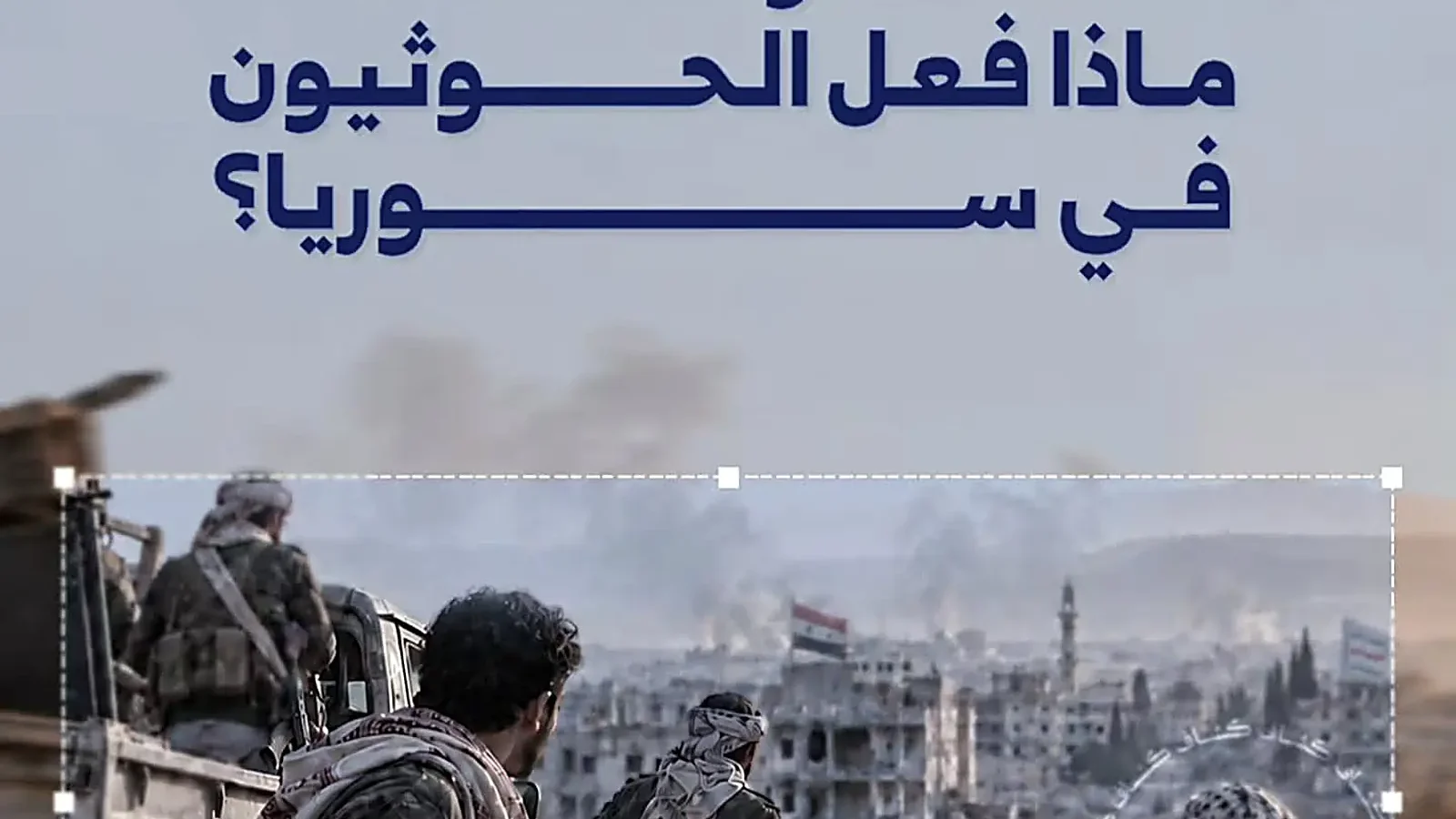
The "Kashaf" platform traced the path of the "Saada Brigade", the Yemeni Houthi military formation that fought alongside the fallen Assad regime in Syria and became known among Syrians as the "Red Devils". This investigation reviews the beginnings of the brigade's activity in the country, the routes its fighters took from Yemen to Damascus, and the areas where they deployed and the tasks they took on inside Syria.
Origins and Early Activity
The "Saada Brigade" is a Yemeni Houthi military formation that fought alongside the fallen Assad regime. It began its activity in Syria in 2012, before its presence was announced for the first time in May 2013. Information monitored by the Kashaf platform indicates that Iran secretly brought this group in to fight alongside the regime, which means its fighters joined the Syrian battles before their presence in the country was first announced.
The "Red Devils" Nickname and Distinctive Badges
Syrians gave the Houthi brigade's fighters the nickname "Red Devils", a name tied to the red badges the brigade's members wore. These badges set members of the "Saada Brigade" apart from the other fighting groups, turning the visual mark the fighters carried into a common name Syrians used to refer to them, and into a way of recognising their presence in the areas where they deployed during the war years.
The Transfer Route From Yemen to Damascus
Iran facilitated the transfer of the brigade's fighters from Yemen to Syria, after its members were trained under the supervision of the Revolutionary Guard on Eritrean islands before being moved to Syrian territory. The transfer routes passed through several stops before reaching the Syrian capital, revealing a transport and training network that extended across more than one country and was divided into three main stages:
- Training: under the supervision of the Revolutionary Guard on Eritrean islands.
- Transit: the transfer routes passed through Iraq and Beirut.
- Destination: arrival in the Syrian capital, Damascus.
Deployment South of Damascus and the Protection of Sayyida Zaynab
The brigade's fighters were concentrated south of the Syrian capital, Damascus, where they took charge of protecting the Sayyida Zaynab area despite the presence of pro-Iranian factions in the same area. According to former fighters, members of the "Saada Brigade" were chosen for this task because of their ferocity in combat, and the presence of pro-Iranian factions in the area did not prevent the task from being assigned to them, a detail that reflects the role assigned to the fighters who came from Yemen.
What the Houthi Presence in Syria Shows
Tracing the path of the "Saada Brigade" reveals a training and transport network that stretched from Yemen to Eritrean islands, then through Iraq and Beirut to Damascus, and that allowed Houthi fighters to be brought into Syria secretly before their presence was announced in 2013. This path adds a detail to the record of military support Iran provided to the fallen Assad regime during the war years, through fighters brought in from outside the country.